
Counselling and Therapy
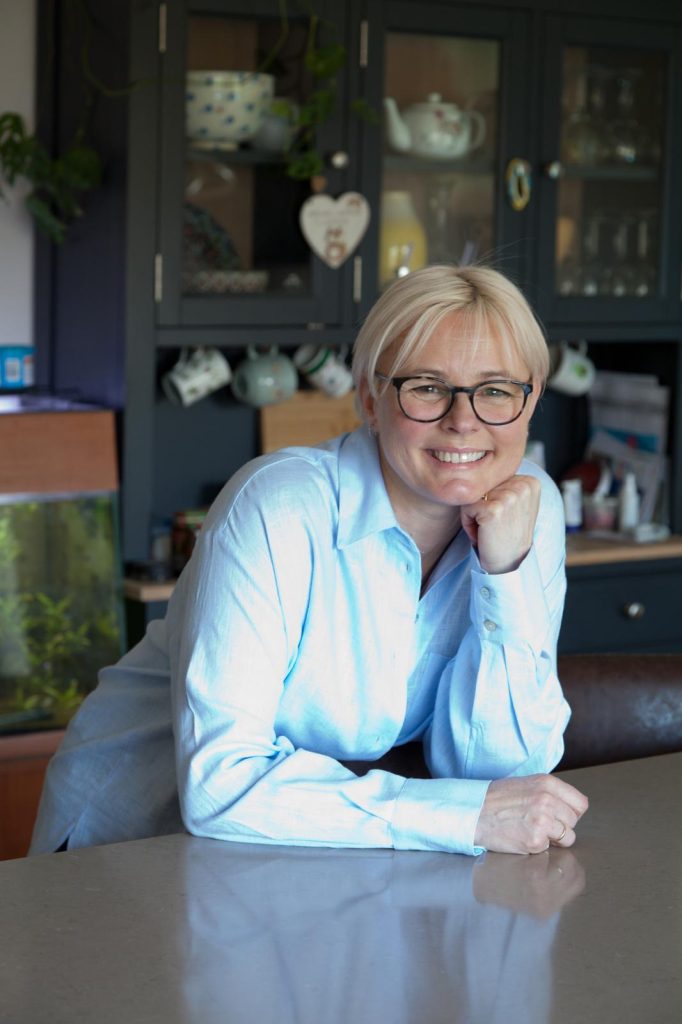
Hi, I’m Sam a fully qualified Counsellor and Therapist. I work with individuals to resolve personal difficulties providing relief from mental health problems such as anxiety, stress, depression and trauma.
I help clients find their own solutions by supporting them in making effective changes in their lives or by helping them develop new strategies for managing their mental health.
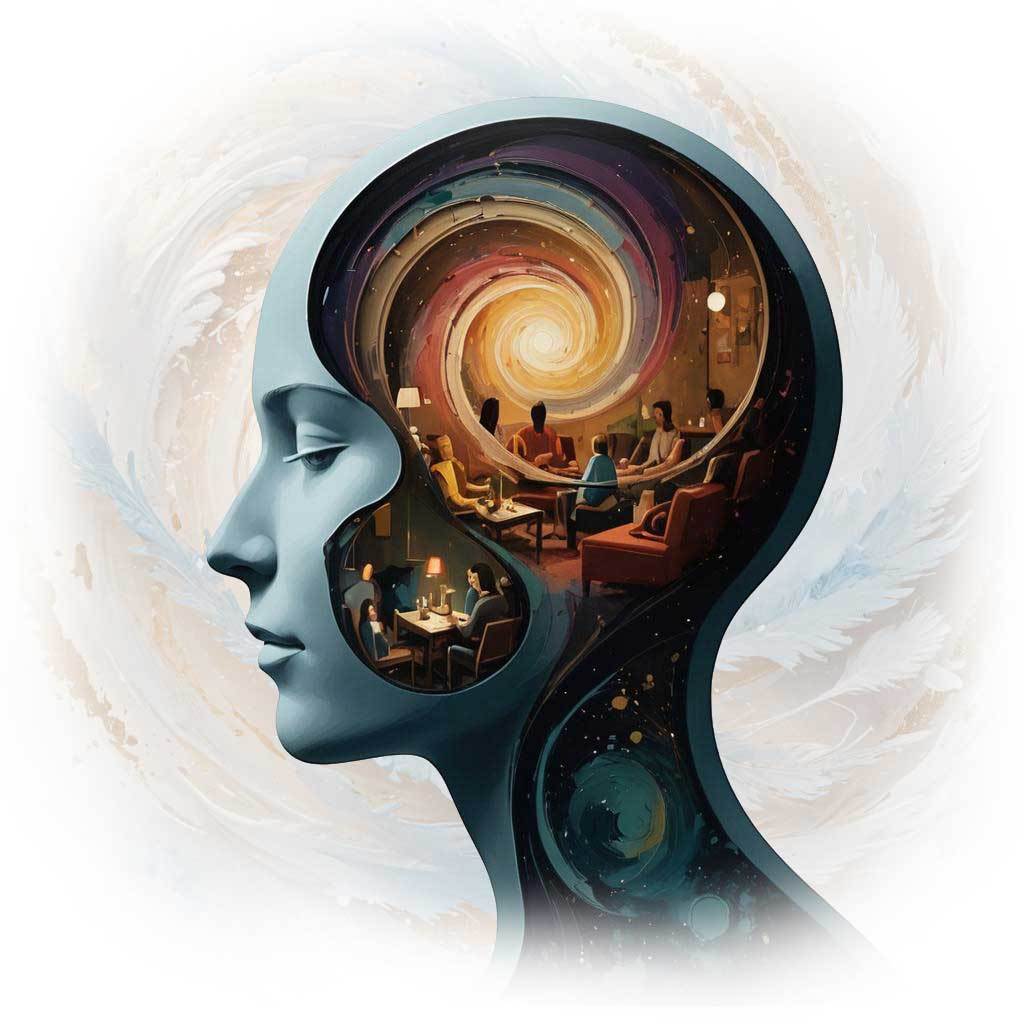







We can be any of these states of mind, with different faces in different places.
Counselling
Find your sense of balance & calm.
In a world that often feels overwhelming – filled with heightened anxiety, stress and depression, life seems to have become even more challenging than ever. While we generally manage these difficulties on our own, there are times when seeking support can make all the difference.
Stress
While stress is a normal part of life and in some cases even manageable without the need for professional assistance, this may not always be the case.
Anxiety
“Anxiety stems from our ‘flight or fight’ response. This happens when our body feels as if it’s in danger,” This is an automatic reaction that can with practice be managed.
Depression
Depression affects people in a variety of different ways. It’s not just about feeling sad. It can have an impact on your body, mood, behaviour and thoughts
Bereavement
Grief is a normal process and there is no right or wrong way to grieve. Everyone’s grief is unique to them. But sometimes it is helpful to be able to talk and relieve the pressure of loss.
Regression
Regression therapy is an approach to treatment that focuses on resolving significant past events believed to be interfering with a person’s present mental and emotional wellness.
Controlling Difficult Emotions
Negative emotions like sadness, anger, loneliness, jealousy, self-criticism, fear, or rejection can be difficult, even painful at times. Learn about self control and focus.
Hypnotherapy
When I trained as a counsellor, I also pursued hypnotherapy as the two methods combine and complement each other beautifully to support mental health. Counselling helps you explore thoughts emotions & behaviours consciously, while hypnotherapy taps into your subconscious to address deep-rooted beliefs & patterns.
Hypnotherapy encourages relaxation and inner awareness, helping to process emotions & release blocks. It also quiets the overthinking mind, making it easier to embrace positive changes. By combining both approaches, we can create a tailored, effective path to healing, offering lasting results & a greater sense of balance.
Uses
Past Life Regression (PLR)
Quit Smoking
Weight loss
Overcoming addiction
Resolving Fears & Phobias
Improving Life
Hypnotherapy for PTSD
Find peace, and calm the inner turmoil
- Reconnect with past life experiences.
- Help to understand why you feel a deep connection with certain places.
- Explore unresolved emotions.
Past life regression is a hypnotic technique which takes you back to memories of lives lived before, you may be searching for reasons why they may believe a certain thing or behave in a certain way. Some people visualise by imagining pictures, or almost like watching video clips, some will explore with other senses such as smell, sound, and touch, whereas some may have a sense of just simply knowing things. Others may feel very much inside that memory as though it’s playing out right now and they’re a part of it.
A calm, relaxed journey back
- Acknowledge and embrace the key lessons learned.
- Confront challenging thoughts and beliefs.
- Centre your focus back through your past lives.
You may gain many new perspectives from a session such as helping you to understand and resolve current relationships, unravel emotional problems including phobias and compulsions, and heal physical symptoms. All from re-experiencing and processing a past memory.
Therapies
Therapies are available in the following forms, tailored to the individual’s needs utilizing various techniques. I am trained and certified in the following:
- Hypnotherapy
- CONTROL System Therapy
- Thought Field Therapy
Hypnotherapy

When I trained as a counsellor, I also pursued hypnotherapy as the two methods combine and complement each other beautifully to support mental health. Counselling helps you explore thoughts emotions & behaviours consciously, while hypnotherapy taps into your subconscious to address deep-rooted beliefs & patterns.
Hypnotherapy encourages relaxation and inner awareness, helping to process emotions & release blocks. It also quiets the overthinking mind, making it easier to embrace positive changes. By combining both approaches, we can create a tailored, effective path to healing, offering lasting results & a greater sense of balance.
Find peace, and calm the inner turmoil
- Reconnect with past life experiences.
- Help to understand why you feel a deep connection with certain places.
- Explore unresolved emotions.
Past life regression is a hypnotic technique which takes you back to memories of lives lived before, you may be searching for reasons why they may believe a certain thing or behave in a certain way. Some people visualise by imagining pictures, or almost like watching video clips, some will explore with other senses such as smell, sound, and touch, whereas some may have a sense of just simply knowing things. Others may feel very much inside that memory as though it’s playing out right now and they’re a part of it.
A calm, relaxed journey back
- Acknowledge and embrace the key lessons learned.
- Confront challenging thoughts and beliefs.
- Centre your focus back through your past lives.
You may gain many new perspectives from a session such as helping you to understand and resolve current relationships, unravel emotional problems including phobias and compulsions, and heal physical symptoms. All from re-experiencing and processing a past memory.
CONTROL System Therapy

The Control Method, created by Tim Box, is a gentle yet powerful way to help you work with your subconscious mind and create lasting, positive change.
It’s based on the understanding that much of what we think, feel, and do happens automatically — and that by learning how to communicate with the deeper part of your mind, you can reshape those patterns in ways that truly support you.
Rather than relying on willpower or long, drawn-out processes, the Control Method offers a calm and straightforward approach that helps you release unhelpful responses and restore a sense of balance and confidence.
It’s not about fixing what’s “wrong.” It’s about helping you reconnect with your natural ability to feel steady, capable, and in control of your thoughts, emotions, and behaviours — because the change comes from you.
Free Consultation
You’re very welcome to arrange a free consultation, lasting around an hour. This relaxed session gives us a chance to meet, talk through what’s going on for you, and see whether the Control Method feels like the right approach.
If you decide to go ahead, we’ll then arrange three follow-up sessions — where you take the lead in making the changes that matter most to you, with guidance and support every step of the way.
Thought Field Therapy

Thought Field Therapy (TFT), also known as ‘tapping’, is a gentle and supportive technique designed to help release emotional distress. This helps restore emotional balance by tapping on specific places or energy points on your body in a specific order, known as algorithms – which is something that can safely be self-applied.
TFT works with your body’s energy system to address emotional challenges. While focusing on your feelings (a particular thought field), the tapping can help calm your mind, reduce stress, and create a sense of inner peace.
Many people find TFT particularly helpful for managing anxiety, fears, and past traumas in a simple yet effective way. When combined with counselling and hypnotherapy, TFT can enhance your overall experience, providing practical tools to empower you whenever you need support.
- About Me
- Testimonials
- Prices & FAQ’s
- Contact Me
Hi, I’m Sam I Am a qualified counsellor, hypnotherapist and TFT practitioner.
I see everyone I work with as an individual with their own unique story. Therefore, the way we work together is completely tailored to you. I dont see myself as the expert of your life, you are. I truly believe everyone has the resources within them to fulfil their potential. It’s just that sometimes we might need a little help finding, excavating, and accessing those hidden resources.
We reach our life goals and destinations in many ways, and life is a journey. How we go through it is a choice, although, for many, it doesn’t always seem that way.
Our paths are not always straight; some can be quite bumpy with lots of roadworks, detours and hold-ups, not to mention the accidents and incidents that can happen along the way.
I have trained integratively in my counselling, along with extra training and becoming qualified in hypnotherapy and Thought Field Therapy.
There is no one-size-fits-all; it’s about finding the right approach and tools that work for you, which is something we would do together. Combining my learning and your experiences together we can discover what works best for you.
 Justin Jameson 16. November, 2025.
  “I saw Sam in connection with my recovery from anorexia/bulimia for over a year.
It’s fair to say that I used to be pretty sceptical about the process and the likelihood of success. I had seen a couple of therapists before meeting Sam and I never really “clicked” with them or felt comfortable enough to properly open up which meant that I came away feeling like I’d led much of the conversation and not really got anything out of it.
This was absolutely not the case with Sam: she made me feel at ease straight away and came across as very knowledgeable and experienced from the outset. I left every session with a greater sense of understanding about myself and my eating disorder, and how I’d ended up where I was. Sam helped me find the tools to overcome the day-to-day challenges that accompany an eating disorder, as well as stress management and the importance of carving out time for myself.
Sam has been there for me at times of great need and my recovery is, in large part, down to her help and guidance. I am a very different person now to the person who walked through Sam’s door over a year ago and I will be forever grateful to Sam for that. I would recommend Sam to anyone in a heartbeat.” Lance Thorndike 15. November, 2025.
“I saw Sam in connection with my recovery from anorexia/bulimia for over a year.
It’s fair to say that I used to be pretty sceptical about the process and the likelihood of success. I had seen a couple of therapists before meeting Sam and I never really “clicked” with them or felt comfortable enough to properly open up which meant that I came away feeling like I’d led much of the conversation and not really got anything out of it.
This was absolutely not the case with Sam: she made me feel at ease straight away and came across as very knowledgeable and experienced from the outset. I left every session with a greater sense of understanding about myself and my eating disorder, and how I’d ended up where I was. Sam helped me find the tools to overcome the day-to-day challenges that accompany an eating disorder, as well as stress management and the importance of carving out time for myself.
Sam has been there for me at times of great need and my recovery is, in large part, down to her help and guidance. I am a very different person now to the person who walked through Sam’s door over a year ago and I will be forever grateful to Sam for that. I would recommend Sam to anyone in a heartbeat.” Lance Thorndike 15. November, 2025.  “Sam has helped me immensely from the start of my sessions until the end. Whilst I found therapy quite daunting, talking about situations I’ve been through and my emotions, the growth I have felt from these sessions is amazing. Sam gave me the tools on how to cope with what I’ve been through and understanding and recognising ways to improve myself and situations, and has been so supportive and kind and I felt so at ease and safe. I feel so happy and relaxed whilst when I started I felt lost and hurt. The difference I feel is incredible and that’s all thanks to the amazing therapists here. I genuinely couldn’t recommend this place enough, I am so grateful, thank you so much” Fay Summers 15. November, 2025. “Working with Sam over the past few years, has in all honesty, been life changing. I first met Sam when I was at a really low point. My husband was very unwell, I’d suffered a miscarriage, it was covid and I had a very young child so was learning how to be a mum and cope with motherhood, whilst working full time. It was a lot! Looking back I was very vulnerable, my mental health was on its knees and I didn’t feature at all in the list of priorities. Sam has been a huge support for me during those times, helping me find ways to cope and bringing me back to stability. She’s helped me develop a really useful tool box for coping with overwhelming feelings of anxiety, lack of confidence and has taught me to slow down, process and the importance of looking after myself to be able to cope and be the rock for the rest of the family. She’s taught me how to say no and have the confidence to speak up which has also helped me in my career. In my last call with Sam, I was quite emotional to say goodbye. But knowing she’s there to support me and get me back on track when and if I need her, is like, as she describes having a pair of stabilisers. Right now I’m ready and confident to go, but if there’s a wobble, I know she’ll be there to get me back on track which is really, really reassuring. Can’t thank you enough Sam. You’re a truly incredible person and therapist and I feel so lucky to have met you.” Drew Scott 15. November, 2025. “Well, this was insightful. It has given me much to think about and with a clearer direction to work through.” Chris Caine 15. November, 2025. “So glad I plucked up the courage to confront my inner struggles. Thanks for the advice and for making me feel comfortable throughout this process.”
  Clair Thompson 15. November, 2025. “Experienced and professional therapist/counsellor. I have gained lots of insight and coping strategies.”
Therapy session prices
- £- per – minute session.
- Payment.
- Sessions are on a —— basis.
Samantha ‘Sam’ Burgoyne
Email: info@sam-i-am.co.uk
Phone: 07538 952205
Thought Field Therapy
Thought Field Therapy (TFT), also known as ‘tapping’, is a gentle and supportive technique designed to help release emotional distress. This helps restore emotional balance by tapping on specific places or energy points on your body in a specific order, known as algorithms – which is something that can safely be self-applied.
TFT works with your body’s energy system to address emotional challenges. While focusing on your feelings (a particular thought field), the tapping can help calm your mind, reduce stress, and create a sense of inner peace.
Many people find TFT particularly helpful for managing anxiety, fears, and past traumas in a simple yet effective way. When combined with counselling and hypnotherapy, TFT can enhance your overall experience, providing practical tools to empower you whenever you need support.
Control Method Therapy
“Control method therapy” can refer to several approaches, such as the CONTROL system, which uses subconscious communication for change, or Control Therapy, which integrates self-regulation strategies and focuses on a person’s sense of control over their life.
Another related concept is Perceptual Control Theory (PCT), which informs methods like the Method of Levels (MOL) therapy and techniques for managing worries by distinguishing between what is and isn’t in one’s control..
Know you’re not alone.
Sometimes we can get stuck in ever decreasing circles of self doubt and despair. It is comforting when someone proactively listens to your thoughts and feelings, helping you to find a brighter outlook moving forward.
Please keep in mind that this is not a crisis service. If you are in immediate or urgent need of support please get in touch with one of the numbers below.
Contact your GP.
If you feel unsafe call NHS 111
If you feel you are in immediate danger call 999
For emergency emotional support call Samaritans 116 123 or text SHOUT to 85258